A windshield earns its keep quietly. It stiffens the body of the car, supports proper airbag deployment, and lets you see what matters at 70 mph. When a pebble kicks up and leaves a bullseye or a star in the glass, the question comes fast: is this a quick repair, or am I headed for full windshield replacement? People often search “auto glass near me” and brace for the worst. Many times, though, a skilled technician can rescue the glass with a clean repair that costs less, takes less time, and preserves the factory seal.
The answer depends on size, location, and timing, plus a few less obvious variables like the type of damage, the cleanliness of the impact, and the age of the crack. I’ve looked at countless windshields on the shoulder of highways, in muddy job sites, and inside spotless service bays. Some you can fix to near invisibility. Some you absolutely shouldn’t. The trick is knowing where that line sits and not waiting too long to decide.
What a windshield repair actually does
A repair doesn’t “heal” glass. It stabilizes damaged laminate so the break stops spreading and the clarity improves. Modern windshields are laminated: two sheets of glass bonded to a thin plastic interlayer. When a small rock strikes, the outer layer cracks while the inner layer usually stays intact. A technician uses a bridge and injector to vacuum out air and moisture from the crack, then feeds in a clear resin with a refractive index close to glass. After UV curing, the damage is structurally reinforced and far less visible. You still have a scar in the outer layer, but the risk of a running crack drops dramatically.
Good repairs reduce the visual blemish by 50 to 90 percent. If you expect perfection, you’ll be disappointed. If you want strength, clarity, and a windshield that won’t split across the dash the next time you hit a pothole, a well-executed repair does its job.
When a chip is a good candidate for repair
Size matters, but so does shape. I keep a few rules of thumb that have held across most makes and models:
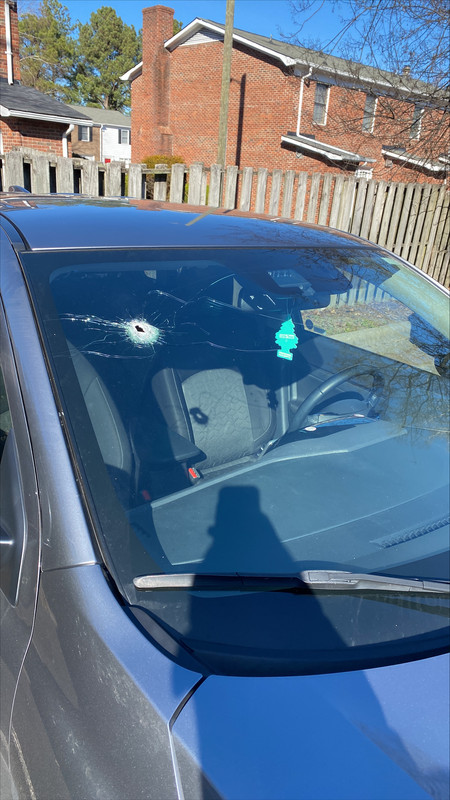
- If the damage is smaller than a quarter and the crack legs are under 6 inches total, repair is usually on the table. Shorter is always better. A star break with multiple fine legs can still be fixable if those legs are under about 3 to 4 inches each. Bullseyes, half moons, stars, and combination breaks respond well if they are tight and clean. Tight means no crushed glass or pulverized impact point. Clean means minimal moisture, no dirt, no glass polish or tape adhesive in the break. Cracks not directly in the driver’s primary line of sight repair more safely. Even after a great repair, a faint blur can remain. If the damage sits at wiper height on the driver’s side, you have to be pickier. The damage should be at least a couple of inches from the windshield’s outer edge. Edge cracks like to run. If the impact is kissing the frit band (the black ceramic border) or tucked at the corner, a replacement often wins on safety.
One more element: timing. Fresh breaks repair better. Overnight freeze, summer heat soak, or a week of car washes pushes moisture and road grime into the voids. If you can, cover the spot with clear packing tape immediately after the impact, keep the defroster off high heat, and find qualified “auto glass near me” service within a day or two. That simple tape trick saves more windshields than people realize.
When replacement is the smart call
There are certain cases where I won’t argue with physics.
- A crack longer than roughly 6 inches, especially one that reaches the edge, has too much stored stress. Resin may slow it, but not reliably. Damage that penetrates both layers of glass or shows signs of delamination in the PVB interlayer. If you see fogging, milkiness, or a bubble that flexes when pressed, the laminate is compromised. A crushed impact with missing chunks of glass, or a hit that deformed the inner layer. That usually happens with heavy debris or after a previous repair attempt gone wrong. Any chip or crack centered in the driver’s critical vision zone where a faint optical distortion could cause glare or halos at night. Safety outranks thrift here. Prior repairs that failed or were done with poor resin. You can occasionally rework a bad repair, but not when contamination is deep or the resin yellowed. A clean slate is better.
Replacement also becomes routine when a windshield integrates many advanced driver assistance systems. If your car has forward-facing cameras, rain sensors, lane departure, or heads-up display, the glass is part of that system. A high-quality auto glass replacement includes calibration with factory tools or validated equipment. That step isn’t optional. I see owners skip calibration and wonder why the lane-keeping jitters. The camera sees through glass, and not all glass is equal.
The hidden role of the factory seal
I hear the, “Can’t I just patch it and save the original windshield?” line often, and I sympathize. The factory installation uses robotic precision and a bead of urethane laid under controlled conditions. That bond contributes to the car’s torsional rigidity and helps the airbags deploy into the windshield in a crash. A repair, when it’s viable, preserves that original seal. A replacement, even when done by a pro, introduces variables: humidity, adhesive cure times, primer coverage, and body flange preparation. Done right, you get factory-level performance. Done sloppy, you get wind noise, leaks, or worse.
This is the strongest case for repairing small damage early. Every repair that avoids an unnecessary replacement keeps that robust factory bond and reduces the odds of installation issues. It also keeps a perfectly serviceable windshield out of the waste stream.
Understanding the different chip types
Not all chips behave the same. A bullseye has a clean circular cone and takes resin beautifully. A star break with five or six fine legs needs careful cycling between pressure and vacuum to chase resin to every tip. A combination break, where a bullseye overlaps with radiating legs, repairs well if the impact crater is tight and you can drill a small access point to equalize pressure. Pit-only damage, where the outer surface pitted but didn’t crack, often just needs a surface fill to prevent wiper chatter and keep acids out of the laminate.
Long line cracks are tricky. A single leg, 3 to 5 inches, that starts at a tight impact can be stopped if resin reaches the very end of the leg. I’ve done controlled thermal cycling with a heat gun and a cold pack to gently open and close the crack while feeding resin. It works, but it’s an art. Once a line crack drifts past 6 to 8 inches or touches the edge, replacement is safer.
How technicians judge borderline cases
Shops don’t rely only on a ruler. We look for luster. Fresh breaks sparkle. Old ones look dusty or gray inside. Moisture shows as a dull, milky look. Pressing lightly around the impact with a plastic tool reveals how far the legs flex. If movement occurs near the frit band, that spells trouble. We check for past attempts too. A shiny spot over the crater with no injector marks means someone tried a surface fill only. That masks the crater without stabilizing the legs, and it often leads to a runaway crack later.
Sometimes a chip is just at the size limit, located low on the passenger side. In those borderline cases, I ask how the car is used. Long commutes on pockmarked highways, frequent temperature swings from a hot defroster to freezing air outside, or gravel road work all increase the chance a repaired chip will spread. If you garage the vehicle, drive moderate mileage, and keep heat cycling gentle, a repair has a higher chance of lasting for years.
What a quality repair visit looks like
A good tech will clean the glass carefully, then mount a bridge and injector centered on the impact. They’ll pull vacuum to remove air and any moisture, then cycle resin under pressure. For a star break, they’ll flex the legs with a probe from the inside, just enough to help resin travel. UV curing lamps set the resin quickly, but time under the lamp matters for full depth cure. After curing, the technician scrapes flush, polishes the surface, and checks each leg with polarized light or a mirror to confirm resin reached the tips.
The whole process often takes 20 to 40 minutes for a single chip. If you’re being rushed out in five, the resin probably didn’t penetrate fully. Ask to see the chip before curing and after. You should see the dark void go noticeably lighter as resin fills it. A shop worth your time will not hesitate to explain what they’re doing.
Costs, quotes, and the insurance angle
An honest windshield quote should reflect more than a single line item. Repairs usually range from 60 to 150 dollars for one chip, with a small add-on for each extra chip. Replacements vary widely. An older sedan with no sensors might land between 250 and 450 for quality aftermarket glass. A newer SUV with acoustic laminate, solar coating, humidity sensor, heated wiper park area, and a forward camera can run 700 to 1,400 or more, plus calibration. Luxury models and vehicles with heads-up display can exceed that.
Insurance often waives the deductible for repairs because they would prefer to pay a small amount now rather than a larger replacement later. Check your policy. If you have full glass coverage, you may owe nothing for either path, but network rules can steer you to specific providers. You can still request an “auto glass quote” from a local shop and ask your insurer to work with them. Many independent shops match network pricing while offering a more personal touch.
When you call for an auto glass quote, be ready with the VIN, trim level, and a quick description of the options you see on the windshield. Look for a camera housing behind the mirror, a shaded Florence mobile auto glass service band at the top, a small square near the mirror that indicates a rain sensor, or tiny grid lines at the bottom that suggest wiper de-icers. These details change the glass part number and the price.
OEM, OEE, and aftermarket glass differences
For replacements, you’ll hear letters thrown around. OEM means the glass carries the carmaker’s logo and came from the supplier contracted for factory production. OEE stands for Original Equipment Equivalent, typically made by the same or a comparable manufacturer to the same specification, minus the automaker logo. Aftermarket covers a broader range and varies in quality from excellent to mediocre.
I care about optical quality and fit. Look along a straight line, like a light pole reflected in the glass. Cheap glass can show waviness. That distortion leads to eye strain and makes ADAS cameras work harder. A good shop will recommend OEM or high-grade OEE for vehicles with calibration needs. It’s not about the logo on the glass. It’s about the spec, the thickness tolerance, the PVB clarity, and how it plays with sensors.
Calibration is not a suggestion
If your vehicle has a forward camera, radar integrated in the glass area, or lane-keeping systems that reference the windshield, calibration is mandatory after replacement. There are static and dynamic procedures. Static uses targets in the shop and precise measurements on a level floor. Dynamic uses a specific driving route at controlled speeds. Some vehicles require both. Expect calibration to add one to three hours, sometimes more. A proper invoice notes pre-scan, calibration method, post-scan, and any error codes resolved. Skipping this step can leave safety systems inaccurate by several degrees, which you might notice as late warnings or phantom braking.
DIY kits: where they help and where they don’t
Over the counter kits can stabilize tiny bullseyes and surface pits when used early and carefully. I’ve seen tidy results on a single, fresh rock chip. The limitations show up with star legs, combination breaks, or older damage. Home kits usually lack robust vacuum and pressure, so resin doesn’t chase far. Misapplied resin can trap moisture and dirt, then cure into a hazy spot that professionals can’t clean out later. If a chip sits in your line of sight or has legs longer than an inch or two, you’ll get better outcomes with professional tools.
Climate and road conditions change the calculus
In desert states, thermal shock is the enemy. You leave a store at 110 degrees, climb into a parked car, blast the AC at the windshield, and that sudden surface temperature drop adds stress that loves to extend cracks. In cold regions, the opposite occurs. A hot defroster against a frozen outer surface can drive a star leg across half the glass. Gravel states and construction corridors add more impacts. The harsher the environment, the lower my tolerance for marginal repairs. If the chip is on the fence and you live with extreme swings, replacement becomes a safer bet.
The environmental case for repair
Repair conserves materials and energy. A windshield weighs 25 to 40 pounds for most cars, sometimes more on SUVs and trucks with acoustic layers. Recycling rates for laminated glass are improving, but many replaced windshields still end up as waste. A successful repair avoids that. Even when replacement is necessary, ask your shop how they handle old glass. Some partner with recyclers that reclaim the PVB interlayer and glass cullet for secondary uses.
Finding the right shop when you search “auto glass near me”
You don’t need the biggest name. You need a shop that respects process. Look for certifications from recognized groups, clear explanations on the phone, and technicians who ask you to send a photo of the damage before trying to sell a replacement. If the person rushes to book a new windshield without seeing the chip, keep shopping. A trustworthy shop is comfortable recommending a simple repair when it’s the right call.
Ask how long they’ve been doing calibrations, what equipment they use, and whether they perform pre- and post-scans. For mobile service, ask about shelter options if it rains and how they manage cleanliness, primer, and adhesive cure times on the road. A good installer will turn down a mobile replacement if wind or temperature would compromise the bond. That kind of judgment is what you want.
What to do in the first five minutes after a rock strike
Time and contamination are the enemies. Keep it simple.
- Pull over safely. Inspect the damage without pressing on it. If it’s a tiny crater with a small halo and no long legs, you likely have a repair candidate. Dry the area gently. If it’s raining or snowing, dab with a clean tissue. Do not blast the defroster at high heat. Cover the spot with clear packing tape. This keeps water and fine dust out until you reach a shop. Avoid sudden temperature swings. Keep HVAC moderate. No ice-cold air on hot glass or vice versa. Call a reputable provider for a quick windshield quote and ask if a repair is viable. Send a photo with a coin for scale.
Managing expectations after repair
A good repair should prevent the damage from spreading under normal use. It should also improve clarity enough that your eye stops catching the spot in everyday driving. You might still notice it if the sun hits just right or at night under streetlights. That’s normal. Ask your shop if they warranty stability. Many will rework the repair or credit the cost toward a replacement if the break grows later.
Keep heavy ice scraping away from the area for a few days. Avoid aggressive car washes immediately after repair, not because the resin will fail, but because temperature and pressure changes stress the glass. After a week, treat it like any other part of the windshield.
Special cases: classic cars, commercial vehicles, and fleet decisions
Classic cars sometimes use flat glass or older laminate compositions that behave differently under repair. If you have a vintage model with scarce glass, preservation leans hard toward repair when safe, even for larger chips. A seasoned specialist knows when the material will accept resin and when the risk of spreading is too high.
Commercial vehicles live harsh lives. Fleets often choose repairs aggressively because every day in service matters. I’ve worked with fleet managers who set thresholds: repair anything under 2 inches off the edge and away from the driver’s line of sight, replace at the first sign of edge involvement. They log chips fast, keep tape and a quick-apply pit filler in the cab, and schedule a route stop with a mobile tech. The data shows big savings when you catch chips at day one rather than month one.
The practical bottom line
If a small chip is clean, away from the edge, not in your direct line of sight, and under a quarter in size with short legs, repair is not only possible, it’s usually the best choice. You keep the original seal, spend less, and get back on the road in under an hour. If the damage is long, dirty, crushed, near the edge, or tied to camera systems where clarity matters in critical zones, a proper windshield replacement is the safer path. Budget for calibration if your car has advanced safety features, and do not skip it.
When you seek an auto glass quote, share photos, be honest about how and where you drive, and pick a shop that talks through trade-offs rather than pushing a one-size answer. The right technician will treat your windshield as part of your car’s safety structure, not just a pane of glass, and will help you stop a small problem from becoming a big one.